Did you know that campground fees can soar from $35 to over $100 per night? This staggering cost makes exploring budget-friendly alternatives essential for many RV enthusiasts. While it’s easy to find a spot for a single night, the rules for living in an RV vary widely across the United States.
Some states impose restrictions on residential RV use, which complicates long-term parking. Fortunately, there are several options available. Public lands, truck stops, and business parking lots offer potential places to rest. Additionally, services like Harvest Hosts connect RVers with over 9,000 unique locations across North America.
However, free parking doesn’t come without its challenges. Researching local ordinances, weather conditions, and safety is crucial. In this article, we’ll provide a practical list of locations, comparing convenience, amenities, and legal responsibilities to help you choose the best option for your travel lifestyle.
Key Takeaways
- Campground fees can be expensive, making free alternatives attractive.
- Legal restrictions on RV living vary by state.
- Explore options like public land and truck stops for overnight stays.
- Harvest Hosts offers unique locations for RVers.
- Research is essential for safety and compliance with local laws.
Understanding Free RV Parking Alternatives
Many RV enthusiasts find themselves shocked by the high costs of campground fees. With prices often exceeding $100 per night, exploring free alternatives becomes essential. These options not only save money but also offer unique experiences away from crowded campgrounds.
Understanding the legal landscape is crucial. Some states have made it illegal for people to live in an RV, making it important to distinguish between overnight parking and permanent residence. Always check local ordinances, property ownership rules, and business policies before settling into any place.
Safety should also be a priority. Securing your RV, reading recent reviews, and carrying necessary supplies can help ensure a positive experience. If a location feels unsafe, don’t hesitate to leave.
Membership options like Harvest Hosts and Boondockers Welcome offer a fantastic way to enjoy stays without nightly camping fees. These programs trade annual fees for access to unique locations, making them a great option for adventurous RVers.
Where can i park my rv to live for free
Finding affordable options for overnight stays can be a challenge for RV travelers. Fortunately, there are several legal parking possibilities available. Popular locations include Walmart, Cracker Barrel, Cabela’s, and various truck stops, all of which may allow overnight parking when local rules permit.
However, it’s essential to remember that store managers and local authorities often control whether RVs can remain overnight. For instance, Cracker Barrel locations can vary widely; some provide designated RV spaces, while others restrict overnight access altogether.
When exploring these options, consider organizing them into categories such as:
- Public lands
- Commercial parking lots
- Truck stops
- Churches
- Membership networks
- Municipal parks
Keep in mind that a location may seem suitable while still prohibiting overnight parking due to signs, local ordinances, or private-property policies. It’s always wise to verify permission directly before relying on a location, especially when arriving after dark or traveling with a large rig.
Parking on Public Lands and National Forests
Exploring public lands offers RV enthusiasts a unique way to experience nature without the high costs of traditional campgrounds. The Bureau of Land Management and U.S. Forest Service oversee millions of acres, providing ample opportunities for dispersed camping.
Dispersed camping typically allows stays of up to 14 days within a 28-day period, depending on local regulations. The stunning scenery found in these areas includes:
- Red-rock canyons
- Pine-covered mountains
- Open deserts
- Expansive stargazing skies
Before heading out, it’s important to evaluate the conditions of unpaved roads, vehicle clearance, and cell service. Additionally, ensure access to water and emergency services. Remember to practice pack-in, pack-out behavior, adhere to fire restrictions, and respect leave-no-trace principles to preserve these beautiful public locations.
Rest Easy with Truck Stops and Campgrounds
Truck stops provide a practical solution for RV travelers seeking overnight accommodations. Chains like Flying J, Love’s, and Pilot are popular choices along major highways. These locations often offer the convenience of accessible parking.
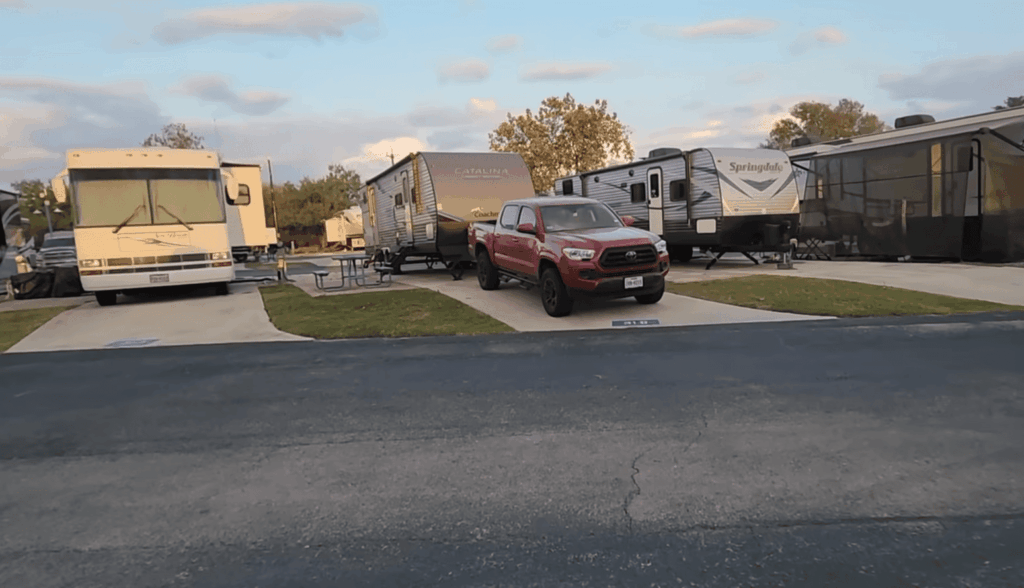
However, it’s essential to pay attention to posted signs. These signs may limit parking duration or direct RVs away from areas designated for commercial trucks. Respecting these guidelines helps maintain a harmonious environment for all travelers.
Truck drivers rely on designated spaces for federally mandated rest periods. It’s important to leave these areas available for them. Remember, idling engines and bright lights can make sleeping less comfortable than a quiet campground.
For a restful experience, consider using a truck stop for one night. Stay self-contained, avoid setting up outdoor furniture, and be ready to move on promptly the next day.
Unexpected Spots: Cracker Barrel, Church, and Superstore Parking
Exploring unconventional parking options can open up new possibilities for RV travelers. Many businesses, such as Walmart, Costco, Home Depot, Lowe’s, Bass Pro Shops, and Cabela’s, feature large, well-lit parking lots. These spots can provide convenient overnight parking when managers and local laws allow it.
Walmart’s official policy states that individual store managers decide on overnight permission based on parking availability and applicable local laws. Therefore, it’s wise to arrive before closing time and speak with a manager about the rules.
Cracker Barrel also offers overnight parking, but permission varies by location. Always check with a manager and inspect signs to confirm whether overnight access remains permitted.
Churches may allow RV parking on a case-by-case basis. Contact church leaders in advance to request permission, as it’s not guaranteed.
For a safe and respectful overnight stay, keep slides and awnings closed, avoid using generators, and secure your belongings. If the surrounding conditions feel unsafe, don’t hesitate to leave.
Exploring Harvest Hosts and Boondockers Welcome Options
Joining membership networks opens doors to countless unique locations for RV travelers. Harvest Hosts boasts over 9,000 unique spots across North America, with some sources claiming more than 9,600. These locations include farms, wineries, breweries, and museums, providing a rich experience beyond conventional camping.
Members pay an annual fee, but most hosts do not charge nightly camping fees. Instead, they often encourage visitors to support local businesses. This model not only enhances the travel experience but also fosters community connections.
Boondockers Welcome offers another exciting option, connecting RV owners with private driveways and rural properties. Hosts may provide amenities like water and electricity, though availability varies. Always confirm details before booking to ensure a smooth stay.
Uncovering Hidden County & City RV Parks
Hidden gems in county and city parks often offer unexpected benefits for RV travelers. Many of these parks allow stays ranging from two to four nights. However, some locations might permit only one night, while a few may allow up to five to seven nights.
For instance, Hereford, Texas, features five full-hookup sites right beside a lake, with a three-night limit. In Borger, Texas, the Huber City Park Campground provides approximately eight sites equipped with water, power, and a dump station, also allowing a three-night stay within a seven-day period.
Another option is Levelland, Texas, which offers seven sites with water and electric service, alongside a dump station, all with a three-night limit. In Rugby, North Dakota, the Pierce County Fairgrounds provides free parking with numerous electrical pedestals available outside of event periods.
Many parks encourage donations or suggest visitors support nearby gas stations, stores, and restaurants. This helps sustain these community-supported parks, ensuring they remain available for all RV travelers.
Best Practices for Safe and Legal Overnight Parking
Smart planning is key to discovering suitable locations for RV overnight stays, especially in unfamiliar areas. Travelers should aim to plan at least one night ahead and arrive before dark whenever possible. This approach helps ensure a smooth experience and enhances safety.
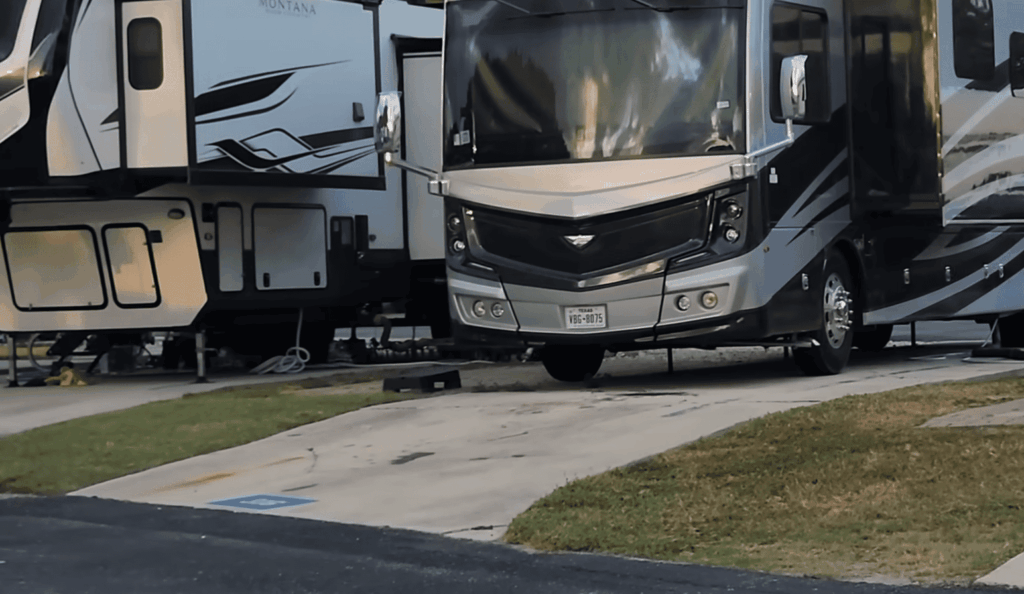
It’s also wise to carry backup options, extra water, and supplies when using remote public lands where developed campground services may not exist. Responsible overnight parking includes:
- Staying just one night.
- Keeping slides and awnings inside.
- Avoiding outdoor furniture.
- Maintaining quiet behavior.
- Cleaning up immediately.
Always protect your valuables, lock doors, and monitor the weather. Trust your instincts when evaluating unfamiliar locations. Following posted rules and supporting host businesses not only helps preserve affordable overnight options but also fosters goodwill within the RV community.
| Best Practices | Details |
|---|---|
| Plan Ahead | Check reviews and save backup locations. |
| Carry Supplies | Bring extra water and necessary camping gear. |
| Respect Rules | Follow posted signs and guidelines. |
| Trust Your Instincts | Leave if a place feels unsafe. |
Top Resources and Apps to Find RV Parking
In today’s digital age, finding reliable RV parking options has never been easier. Utilizing various apps and websites can help travelers locate suitable spots for overnight stays. Three key resources include:
- Campendium: This app provides user-generated reviews and information about public lands, truck stops, and overnight parking.
- AllStays: Known for its detailed listings, AllStays identifies free city and county parks with a “CP” designation.
- iOverlander: A community-driven app that highlights various camping locations and recent traveler reports.
It’s wise to compare reviews across these platforms. One app may have updated information on closures or safety concerns that others do not. Additionally, consider using The Dyrt Pro and RV LIFE Trip Wizard for filters on rig size, amenities, and route planning.
For example, RV enthusiast Sue Ann Jaffarian recommends checking both AllStays and Campendium before marking dependable parks on Google Maps. This method ensures a smoother travel experience.
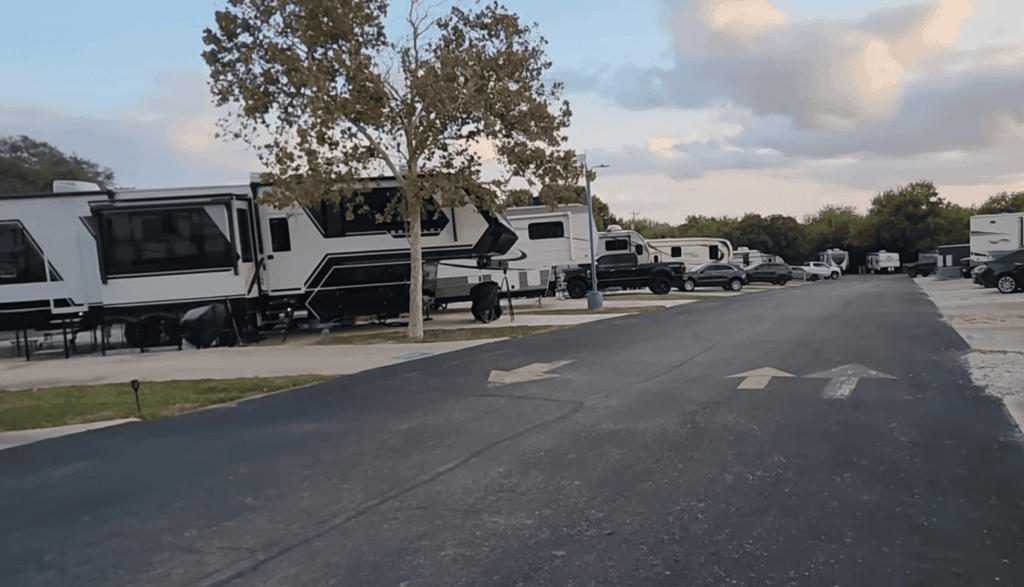
Conclusion
Budget-conscious RVers can find various parking solutions to enhance their travels. Options like public lands, municipal parks, truck stops, and businesses, along with services such as Harvest Hosts and Boondockers Welcome, help reduce campground fees.
Legal permission, posted rules, and local ordinances should guide every overnight decision. It’s important to consider safety conditions and maximum stay limits.
Public-land camping may require extra supplies, while city parks often provide essential hookups or dump stations. Respectful behavior, short stays, and local purchases help protect future access.
Combining current app research with backup planning and personal judgment leads to safer, more flexible RV travel. Enjoy the journey!